We need energy to perform physical as well as mental activities. Glycolysis is a process that gives our body the require energy by breaking down sugar or glucose into smaller molecules. What we know about lactate is that it is produced during strenuous physical activities and might lead to pain and stiffness of the muscle. However, there has been a constant struggle to expand the understanding on this molecule.
A great German scientist Otto Warburg, led to the research that cancer cells undergo more glycolysis and produce lactate in greater quantity than normal cells. This, what we refer to as the Warburg effect presented an understanding that cancer cells require much more glucose than normal cells.
According to a new research led by San Millan, director of the Sports Performance Department and physiology laboratory at the University of Colorado-Boulder’s Sports Medicine and Performance Center—lactate plays a crucial role in the development of cancer.
According to San Millan and colleagues, lactate is the only metabolic compound involved and necessary in the 5 stages following carcinogenesis which are: Angiogenesis, immune escape, cell migration, metastasis and self-sufficient metabolism.
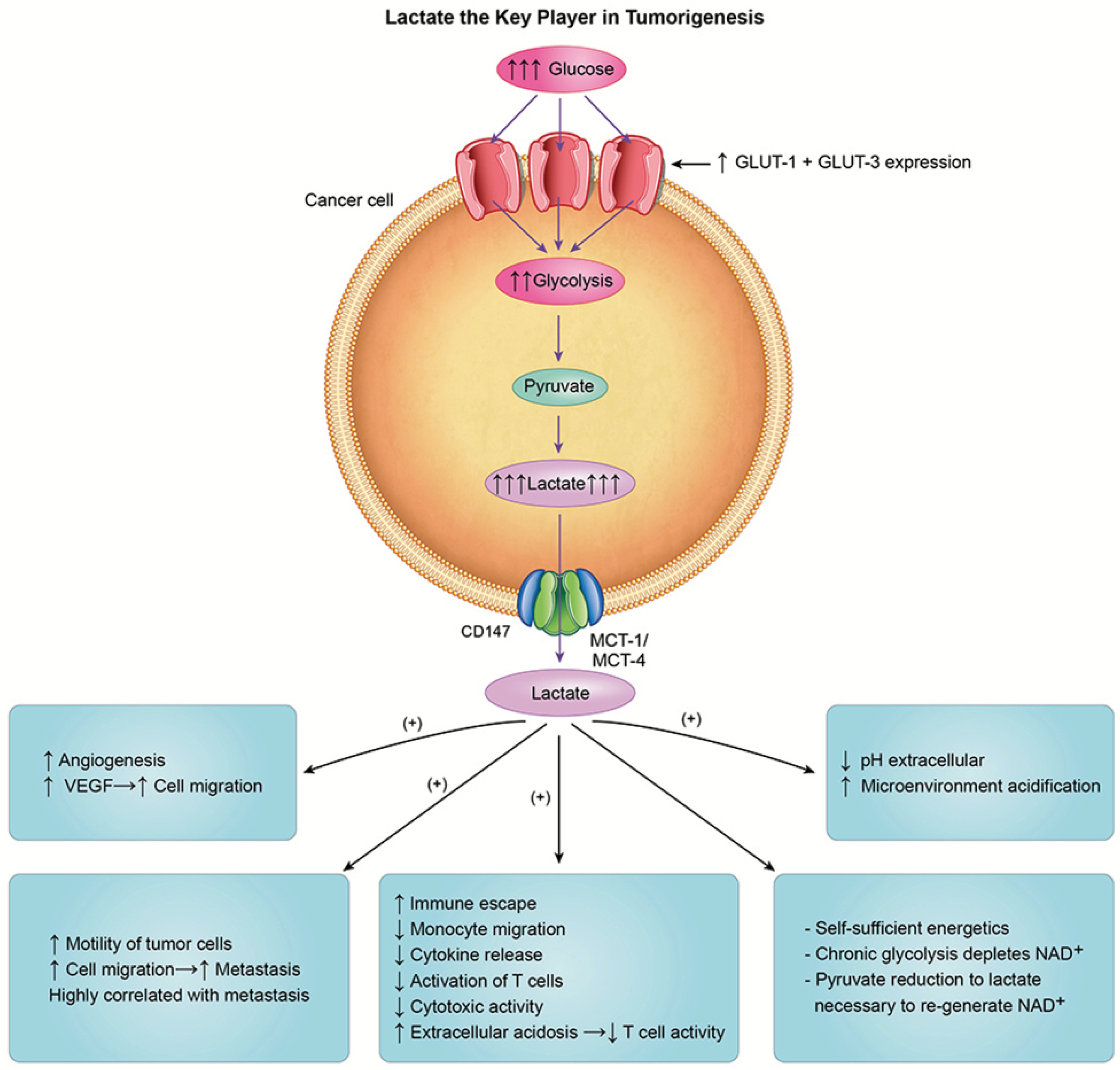
The paper also throws light on how lactate supports the spread of cancer cells by creating an acidic microenvironment outside the cancer cell.
This paper brings the shift back to lactate from genetics in development of cancer. Thus, the research speculates that sedentary lifestyle and less of physical activity along with a high sugar diet may lead to excessive accumulation of lactate in our body, predisposing our bodies to cancer.
 Beyond Diaries
Share your thoughts