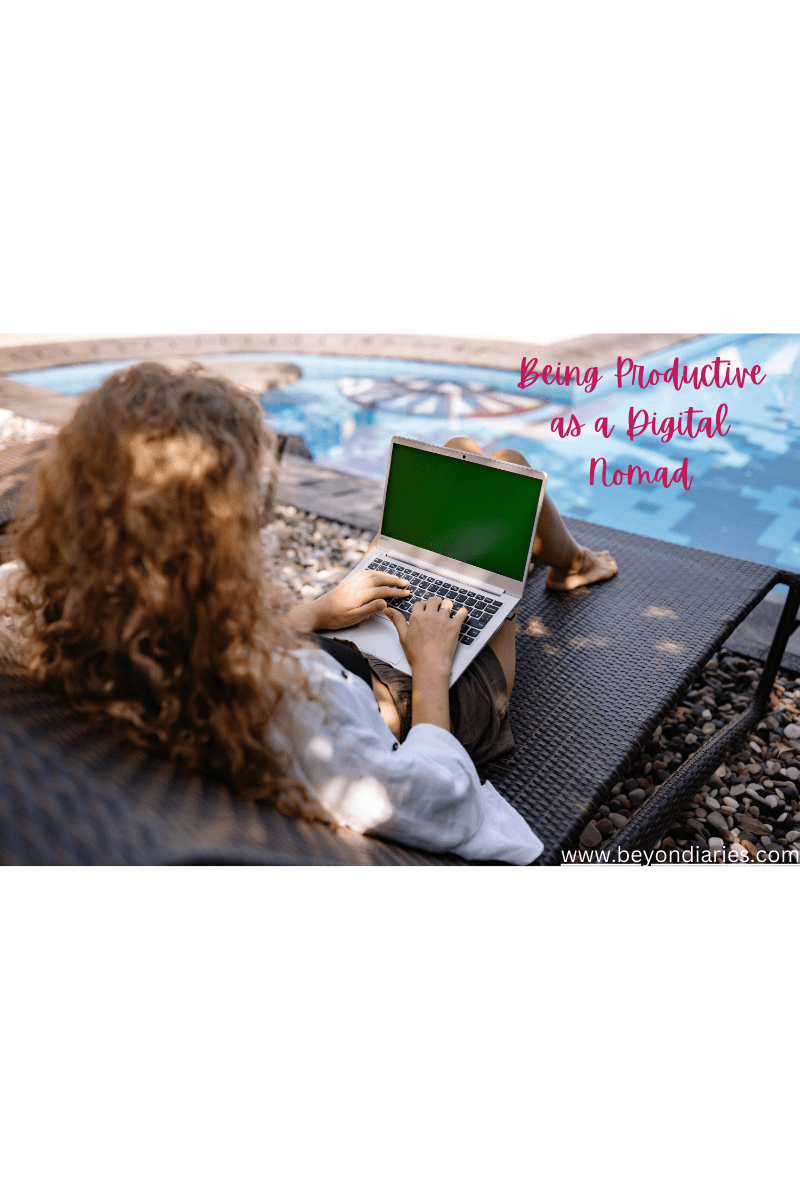
I like to call myself a ‘digital nomad’, and so do many of you reading this describe yourself as one. My journey into the freelancing space began in the hallowed halls of academia during my sophomore year. When I started as a freelancer not much was known about it. However, as the pandemic swept the globe, the gig economy experienced an unprecedented surge with more and more people moving toward getting that extra side hustle or freelancing opportunity. To me, it represents an exciting first step towards establishing something of your own or gaining that autonomy you have always desired.
I took up freelancing for many reasons but paramount among them was the autonomy it bestows. I am a creative person and I like to imagine things beyond the borders. Moreover, freelancing has allowed me to manage teams and clients thereby instilling effective leadership skills which otherwise would have taken several promotions in the corporate world. It has also allowed me to spend more time on things that I cherish doing like reading and exploring places with my spouse. I can go on to list down the numerous benefits I have embraced after transitioning into a freelancer from a full-time job, but it is definitely not a walk on the cake.
Freelancers (at least me) suffer from productivity blocks time and again, and sometimes it becomes difficult to focus on a single task, sit on a chair all alone, and think creatively. During the initial years when I started freelancing productivity has been an enormous challenge for me on certain days. It was difficult to balance university assignments with the freelancing writing assignments. Sometimes I would go on days without meeting my friends and spending quality time with my family. All these habits ultimately led me to burnout and I ended up losing some good projects because I was not able to deliver them on the deadline. There were days when my mind would go blank, and I would not understand where to start. But hey, we all go through that phase at some point in our lives especially when you are a digital nomad or a freelancer. The feeling of working remotely could get overwhelming after a certain period and this might end up hindering your productivity cycle. In this exhausted state of mind, as we hamper our efficiency, it might as well have some deleterious effects on our careers as it did for me a decade ago.
Here are some personal tips to help you achieve your goals and boost productivity as a digital nomad or freelancer:
Crafting your ideal workspace
In the ever-evolving landscape of remote work, the significance of a personalized workspace cannot be overstated. For those who find solace in the realm of working from home, consider this a gentle nudge to carve out a dedicated area within your abode where focus thrives and distractions fade away. Creating your ideal workspace doesn’t necessitate elaborate setups; it could be as straightforward as a table and chair or a corner adorned with aesthetics that resonate with you. The key is to design a space that fosters concentration and productivity, aligning with your unique preferences.
In my own journey, positioning my workspace directly opposite to a window has proven to be a game-changer. The ability to glance outside and immerse myself in nature’s beauty has become a powerful tool in boosting productivity. The contrast of the dynamic world beyond my window against a static wall serves as a catalyst for creativity. I have observed that I tend to get more creative when I can see people and nature outside my window.
I have also noticed a significant elevation in my mood and productivity when working from cafes or libraries. With a cafe and public library near my house, I usually visit these places on several days during the week. Despite occasional ambient noise in cafes and the library’s strict no-Zoom-call policy, strategic scheduling of meetings during the first half of the day allows me the flexibility to relocate to these inspiring spaces to accomplish the day’s tasks.
Considering the communal spirit of productivity, co-working spaces present an enticing option. The inductive effect of witnessing others immersed in their tasks can set the stage for heightened focus and efficiency. Exploring co-working spaces could very well be the missing piece in your quest for optimal productivity.
As you embark on the quest for your perfect workspace, keep in mind that it’s a dynamic journey. Experiment with different setups, locations, and environments to uncover the combination that aligns seamlessly with your work style. Your workspace isn’t just a physical entity; it’s a portal to a space where focus reigns supreme and productivity knows no bounds.
Set your attention on a single task
In the dynamic landscape of remote work, staying focused can be a Herculean task, whether you’re a jet-setting digital nomad or a freelancer navigating the challenges of a home office. Distractions lurk at every corner, threatening to derail your productivity. But fear not, as we will explore strategies to cultivate unwavering concentration in the midst of chaos.
Human nature tends to waver, especially when working solo or on the go. For digital nomads, the allure of new surroundings can pose a challenge to zeroing in on a singular task. Conversely, freelancers grappling with the comforts of home might find themselves entangled in the web of multimedia exposure (read social media), hindering their ability to focus on one task at a time.
In both cases, it is ideal to focus on a singular task at a time. Research indicates that heavy media multitaskers, those juggling multiple streams of media simultaneously, are more susceptible to distractions from irrelevant external stimuli. The struggle to seamlessly switch between tasks becomes a common hurdle for this group. And let’s be honest – our smartphones often emerge as the chief culprits, tempting us away from the task at hand.
I have personally noticed that when people work in the office alongside their colleagues, they are less likely to get distracted by their phones or the buzzing notifications. Contrastingly, when they are working from home it becomes difficult to focus on a single task as the home becomes a breeding ground of distractions. A realization dawned on me that a controlled environment, where a sense of collective focus prevails, tends to keep distractions at bay.
Acknowledging the challenge digital nomads and freelancers face in finding such support, small but impactful changes in our routines can tip the scales in favour of concentration. Personally, I have incorporated the practice of setting a timer when initiating work and committing to the task until the timer goes off. This simple yet effective strategy has proven invaluable in keeping me on course with my projects and ensuring timely completion.
Plan the week ahead
As a digital nomad or freelancer, the allure of flexible hours and project choices is undeniably appealing. The ability to work from any corner of the globe, be it a hotel room or a quaint café, adds an exciting dimension to our professional lives. However, the thrill can quickly wane when looming deadlines cast a shadow over pending work. This predicament is not uncommon among remote workers, and I, too, have faced the challenge, especially when my University exams clashed with my freelancing project deadlines.
In the realm of freelance work, where the traditional office structure with its 9 AM meetings is nonexistent, the onus lies on us to be our own architects of time. Early on, I grasped the significance of meticulous planning as a freelancer. While we don’t have scheduled daily meetings, proactive scheduling of our days and weeks becomes imperative. Personally, I find that engaging in constant communication with clients about their expectations aids significantly in crafting a well-thought-out weekly plan.
To avoid the stress of pending deadlines, I advocate for the practice of writing or typing schedules in a planner. This not only ensures a smooth workflow but also allows you to relish your travels without the nagging worry of impending work. Embracing a hybrid approach, I rely on a calendar and a trusty notebook – my old-school tools – to track meetings and tasks for the upcoming weeks. Sticking to this planned schedule as much as possible not only optimizes productivity but also affords me quality time elsewhere.
Communicate clearly
One of the major hurdles of working as a digital nomad or a freelancer is the vast communication gap that exists. Unlike in a traditional office setting where everybody is connected through Slack, Teams or Zoom, a freelancing setup is somewhat far from regular communication. As you are not a permanent employee of the organization you generally would not have access to their internal communications system. You will have to majorly rely on emails to communicate things and that can get frustrating especially while working in different time zones. Well, we cannot really do anything about having clients in a different time zone. The key here is to reply to the emails as soon as you find time and resolve the query the client may have.
Establishing your preferred mode of communication from the outset is crucial. Informing clients about your response time sets clear expectations, minimizing potential misunderstandings. In my experience, clearly communicating expectations has proven to be a game-changer. It not only streamlines the communication process but also allows me to channel my energy into tasks that truly matter.
Stay happy and stay healthy
Being a digital nomad or a freelancer can sometimes become very hectic as you juggle between multiple projects and clients. This can take a toll on your health and if ignored for a long time it can lead you to be stressed and anxious. I vividly recall a period when I was immersed in work, neglecting my well-being, and found myself grappling with extreme stress and anxiety, adversely impacting my overall productivity.
Thereafter, I decided to take it easy and enjoy the process while working. Embracing a more mindful approach, I started immersing myself in nature and fostering connections with others. The transformation was nothing short of remarkable – I felt a surge of energy, and my ideas blossomed with newfound creativity. By consciously focusing on my well-being, I discovered the key to heightened focus and reduced work-related worries.
I could focus more and worry less about the work. I could achieve this by incorporating certain changes in the routine. Daily meditation, either in the morning or before bedtime, became a grounding ritual. Socializing and engaging in group activities to acquire new skills not only broadened my horizons but also provided a welcome respite from the pressures of freelancing life.
If you are someone who feels stressed or anxious being a freelancer then I would urge you to incorporate habits that would make you feel better. You might even consider speaking with a professional who will help you discover a balance between work and life.
Conclusion
The remote work lifestyle can seem very fascinating until you are living it! Undoubtedly, it is rewarding in various ways and I have reaped many benefits from being a freelancer. However, we do face a lot of challenges with productivity sometimes leads us to worry and become anxious. In such a situation and having faced that scenario my opinion would be to incorporate minor changes in your lifestyle. You can start with a simple change of making your workspace a better place to work. Once your productivity block is diminished, you will feel more motivated to do things that improve efficiency. By planning ahead, communicating clearly, focusing on a single task at a time, and having a dedicated workspace you are several steps ahead in reaching your goals and realising your dreams.
 Beyond Diaries
Share your thoughts